
Wellness
Medical Wellness or a Spa Retreat? How to Tell the Difference
The words sound interchangeable and are not. A quick guide to what each promises, what each can support, and how to avoid buying one when you wanted the other.
The two phrases are used almost interchangeably in hotel marketing, which is why so many people arrive expecting one and find the other. The distinction matters most when you have a specific goal: recovery from illness, weight management, or a diagnosed condition is a different brief from rest and good food. What a spa retreat offers A spa retreat is hospitality with a wellness layer. You get a comfortable room, a spa with a treatment menu, often fitness and yoga classes, and food that leans healthy. There may be a programme, but it is usually optional and assembled from the menu. The staff are therapists and instructors. That is a perfectly good product, and for most travellers it is exactly right. What medical wellness offers Medical wellness brings clinical practice into a hotel setting: assessments, diagnostic testing, supervised nutrition, physiotherapy, and programmes with entry requirements and, sometimes, exclusions. Practitioners are qualified in their fields, and the programme is designed around a health objective rather than a menu of pleasant treatments. It is not a hospital, and reputable properties are careful about what they claim. But the standard of evidence is different: a medical wellness programme should be able to tell you who supervises it, what assessments are included, and what happens if the programme is not suitable for you. Five questions that separate the two 1. Who is accountable for the programme? Ask for a role, not a name-dropped title. 2. What is assessed before I start? A serious programme screens you first. If nothing is asked about your health, it is not medical. 3. What is included, exactly? Number of consultations, treatments, tests and meals, in writing. 4. What are the exclusions? Pregnancy, recent surgery, certain medications and eating disorders often rule a programme out. A provider that cannot list exclusions has not thought about them. 5. What happens afterwards? The better programmes include a follow-up plan, because the point is the weeks after you leave. Where the two overlap The most interesting properties sit between the categories: established spas that have added clinical practitioners, or medical resorts that remain genuinely restful. Our profile of Chiva-Som in Hua Hin describes a resort that has operated since 1995 and blends traditional Thai healing with modern medical wellness, which is exactly that overlap. It is an editorial profile, prepared from public information and not yet reviewed by the hotel, so treat the details as indicative and confirm anything that matters to you directly with the resort. Whichever you choose, the same rule applies: the hotel's own website and reservations team are the right place to ask, and the right place to book.
Featured profile
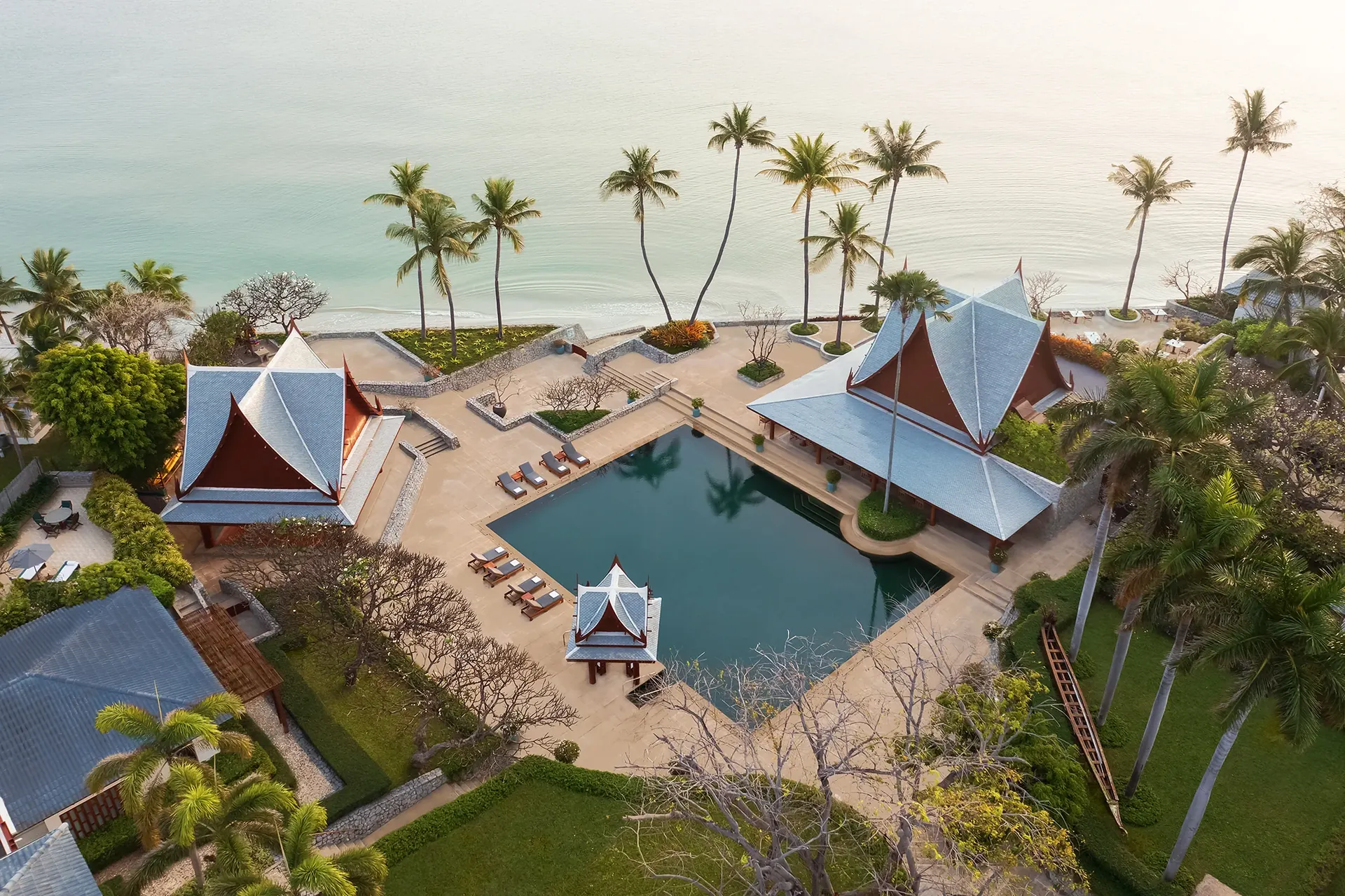
Chiva-Som
Hua Hin, Thailand
A long-established wellness resort in Hua Hin, Thailand, offering 200+ treatments that blend traditional Thai healing with modern medical wellness, open since 1995.